
The Three Pillars of Crolf
Every Crolf player must master all three racket types, although professional players usually develop a preferred specialization. The three classes Spoons, Brooms, and Slingshots each serve distinct roles within the game. Spoons are the most versatile tools and function as all-rounders, suitable for a wide range of surfaces and general play. Brooms are designed specifically for smooth, even terrain, where they provide more directional and velocity control. Slingshots are built for the same surfaces but long-distance shots, allowing players to cover large areas of the field.
1. Spoon Shots
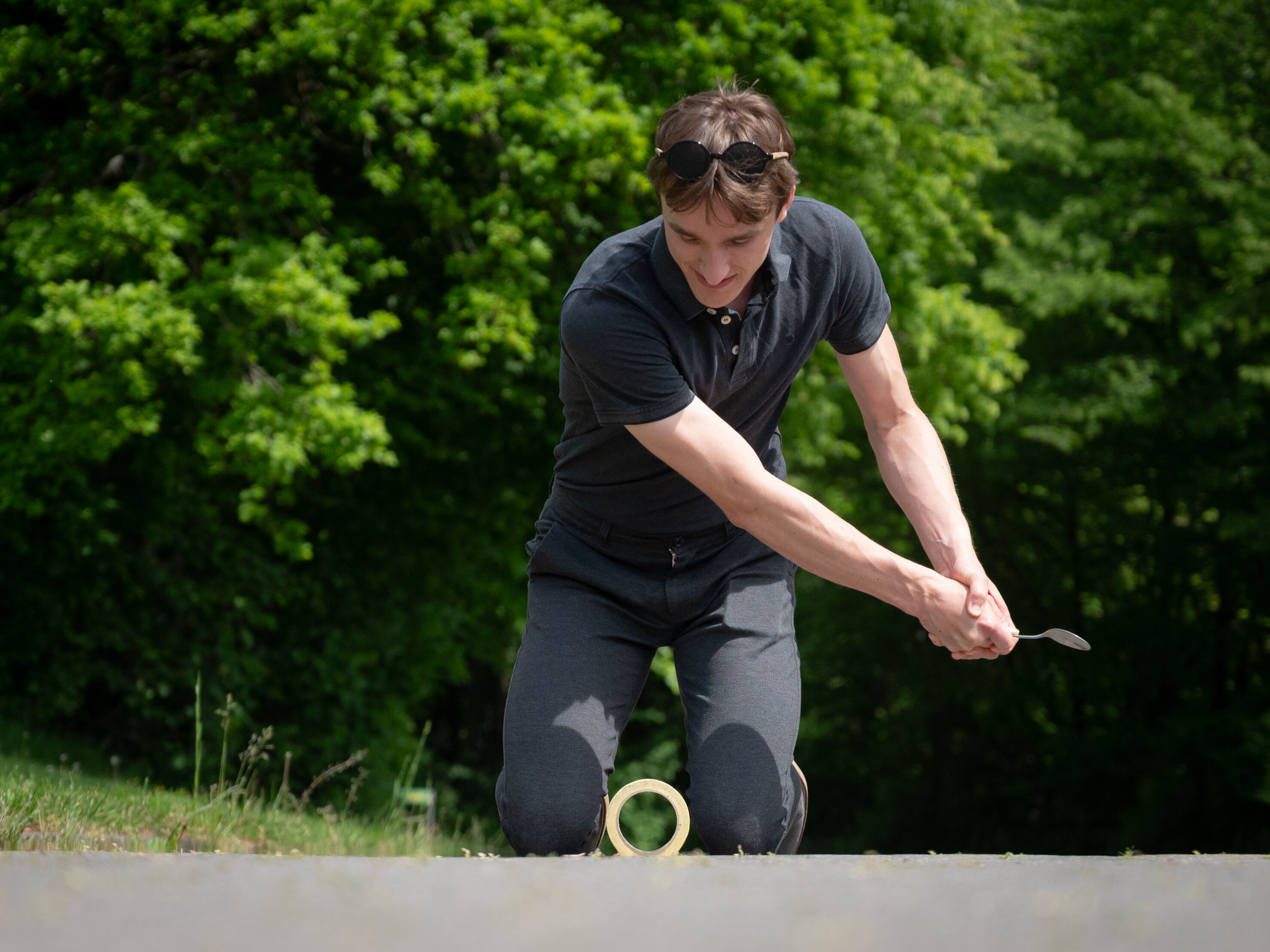
Cannon Shot
For the Cannon Shot, the Quibble is hit with strong force to accelerate it into the air at an angle of 20° to 45°. While the Quibble usually rolls on after reaching the ground again, giving it a little side twist lets it land flat to stop its movement immediately.
Best for: Medium distances, vertical obstacles at a distance
Difficulty: Medium
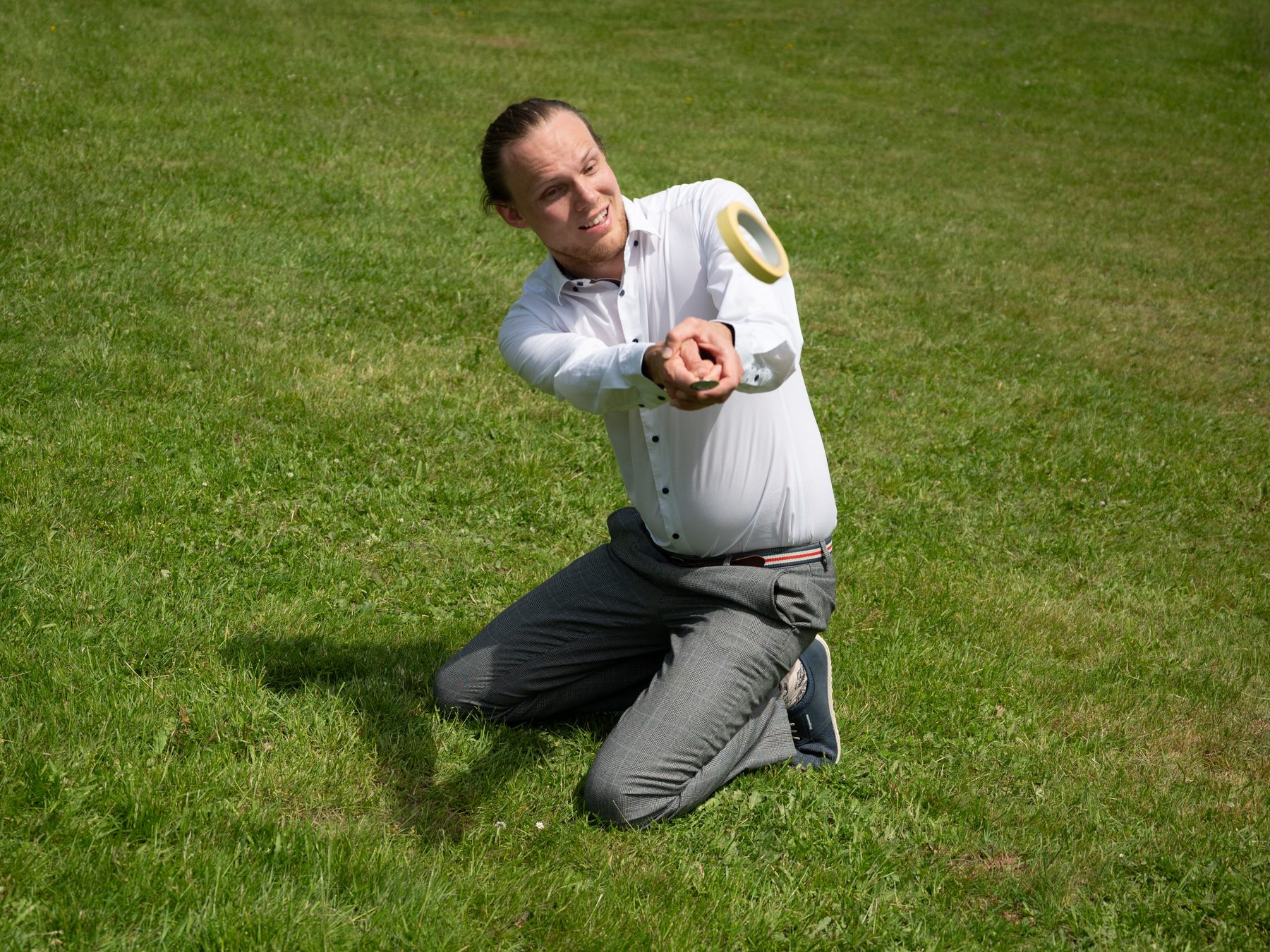
Hawk Shot
For the Hawk Shot, the Quibble is lifted up with strong force by placing the spoon almost under the Quibble. It lifts up at an angle of 60° to 90°. In most cases, the Quibble will spin and thus stop immediately after a flat landing.
Best for: High elevation changes
Difficulty: Medium
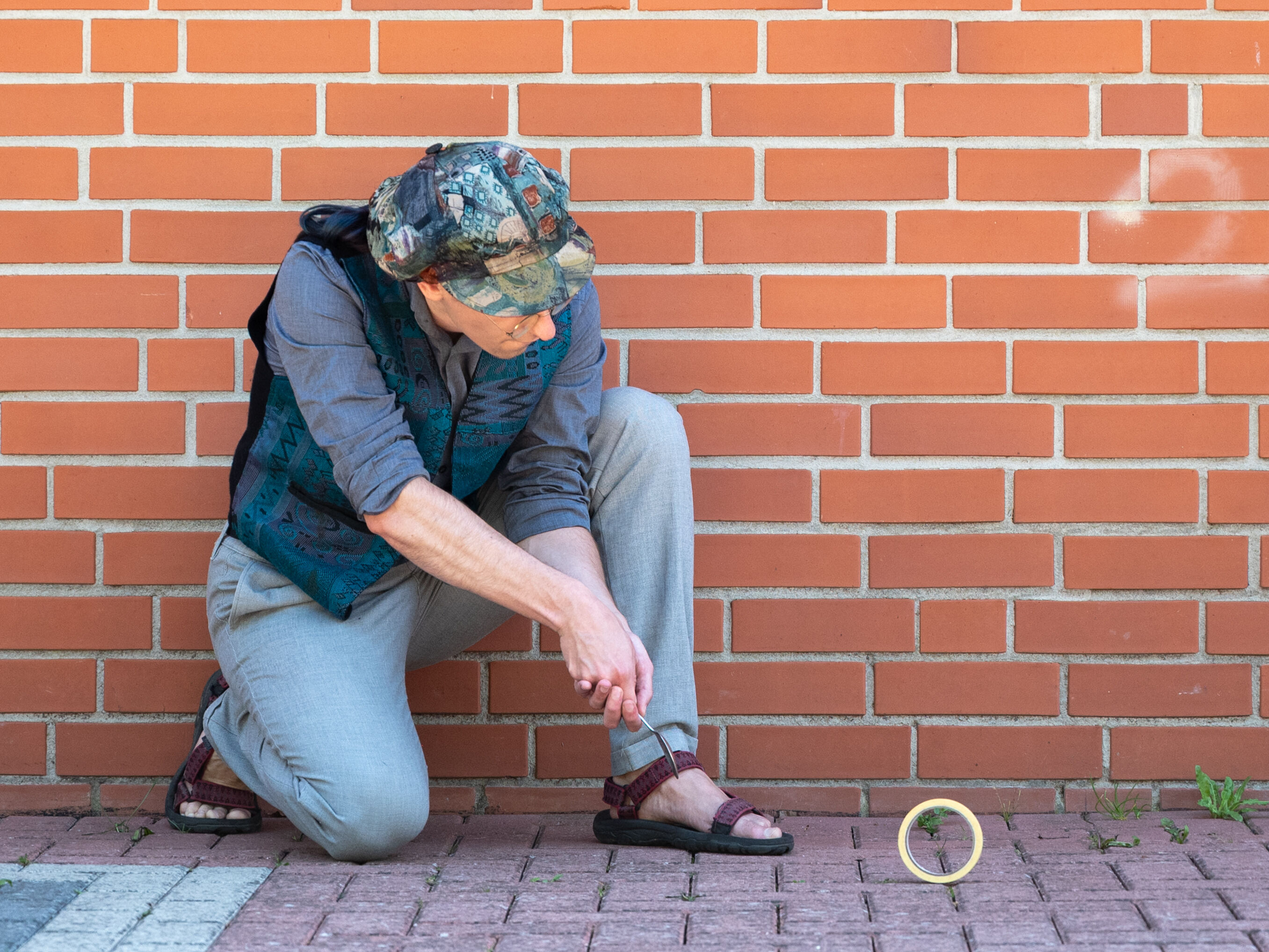
Wheeler
For the Wheeler, the Quibble is hit with little force to start its rotation while staying on the ground. Using the outside of the spoon provides better directional stability, though the quibble tends to slide briefly before rolling, resulting in slower shots. Striking with the inside of the spoon can generate more power, but it is harder to control and may cause the quibble to wobble if executed poorly.
Best for: Medium distances, tight openings
Difficulty: Easy
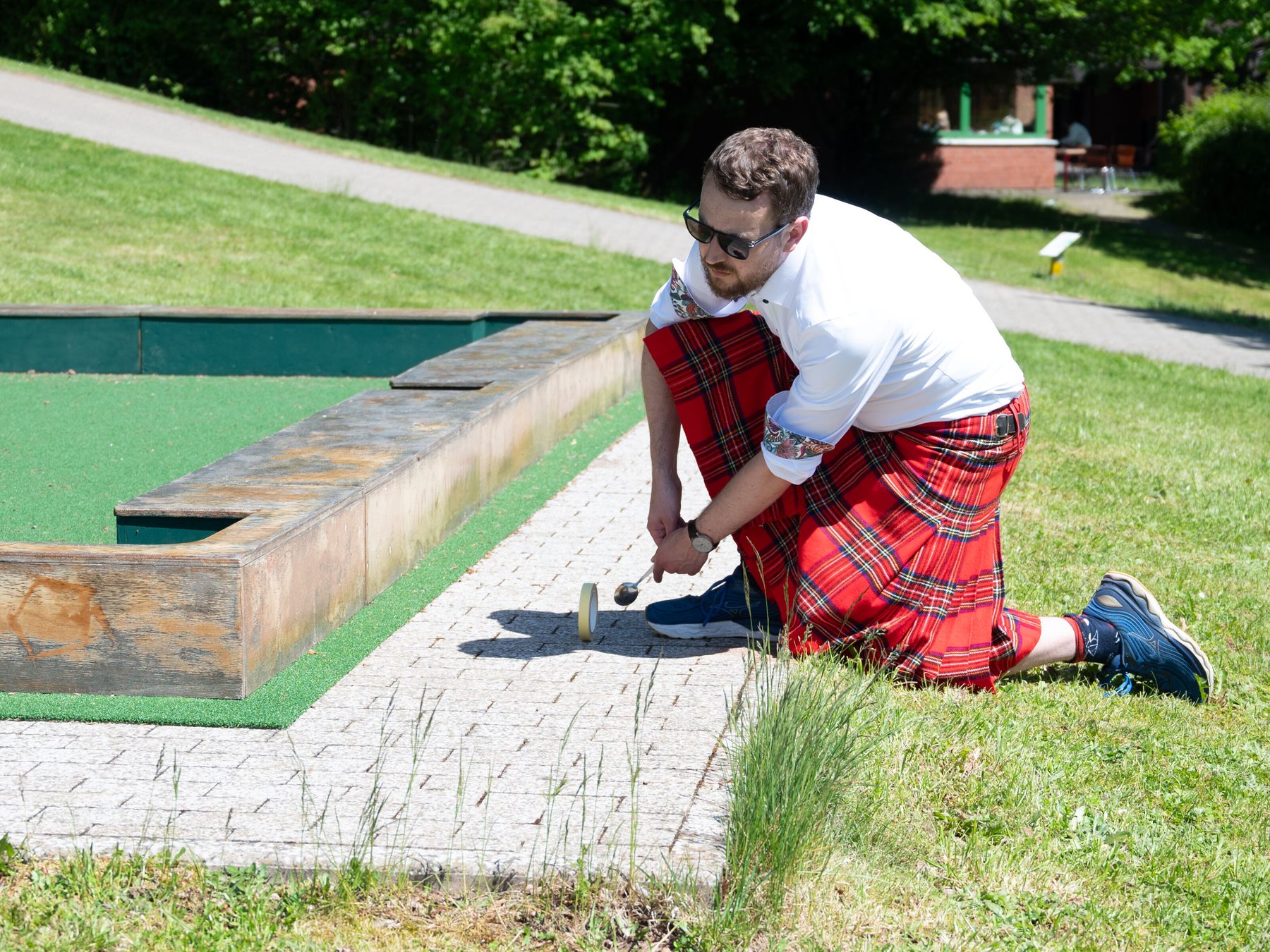
Crockwell Curve
The Crockwell Curve is a variant of the Wheeler where the Quibble is struck horizontally off-center rather than in the middle, resulting in a curved trajectory. In most cases, using the outside of the spoon is preferable, as it makes offset hits easier to execute. Hit the Quibble on the same side as the intended curve with slightly more force to push the Quibble into a wobbling state that initiates the curve. Because the curve often does not naturally end, it is best to aim just around the corner so the Quibble is caught by the inner wall and does not complete a full 180° return.
Best for: Corners, U-turns
Difficulty: Hard
2. Broomshots
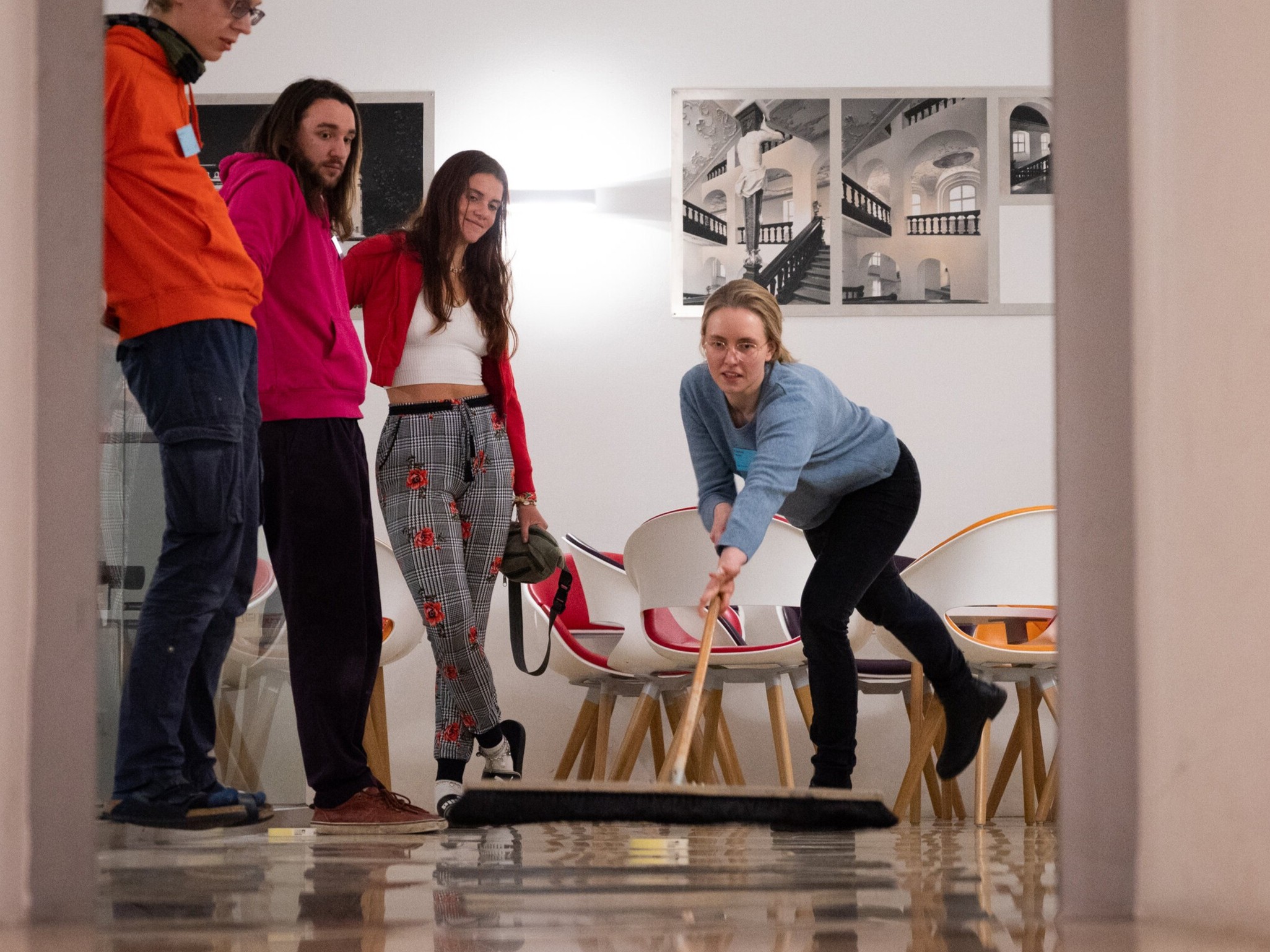
Thimbledon Thrust
For the Thimbledon Thrust, the Quibble is struck with maximum possible force while still allowing precise directional control. However, this shot only works on very smooth surfaces; on rough or uneven ground, the Quibble will lose momentum immediately and come to a stop.
Best for: Long distances with medium sized openings
Difficulty: Easy
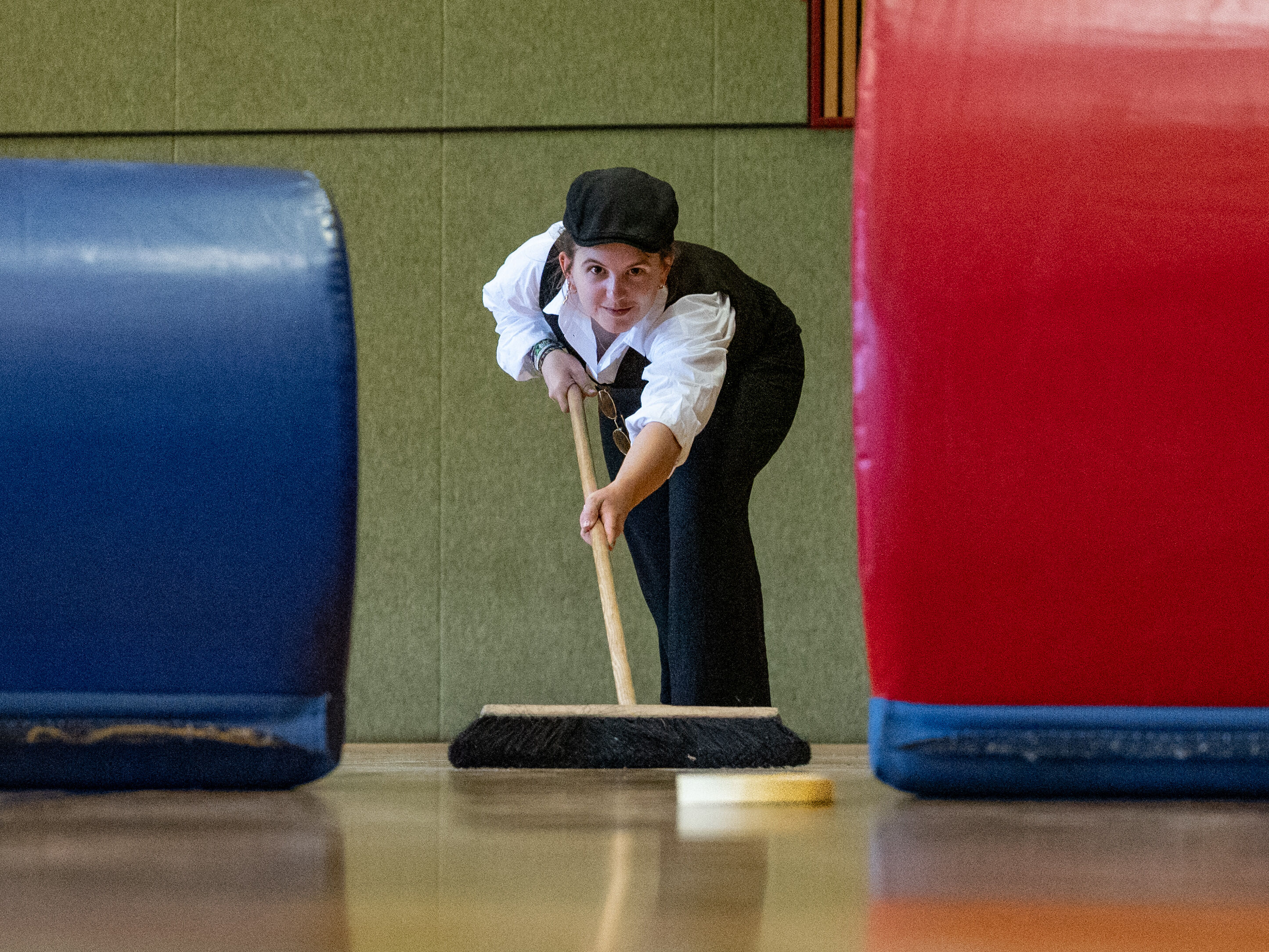
Snipe
For a Snipe, the Quibble is pushed with small to medium force to move the Quibble precisely to a new position. This technique is often used to put the Quibble in place for a subsequent difficult shot e.g. through obstacles. It can also be used to clear an obstacle itself if the Quibble should not roll on behind.
Best for: Short distances, tight openings, preparation of next shot
Difficulty: Medium
3. Slingshots
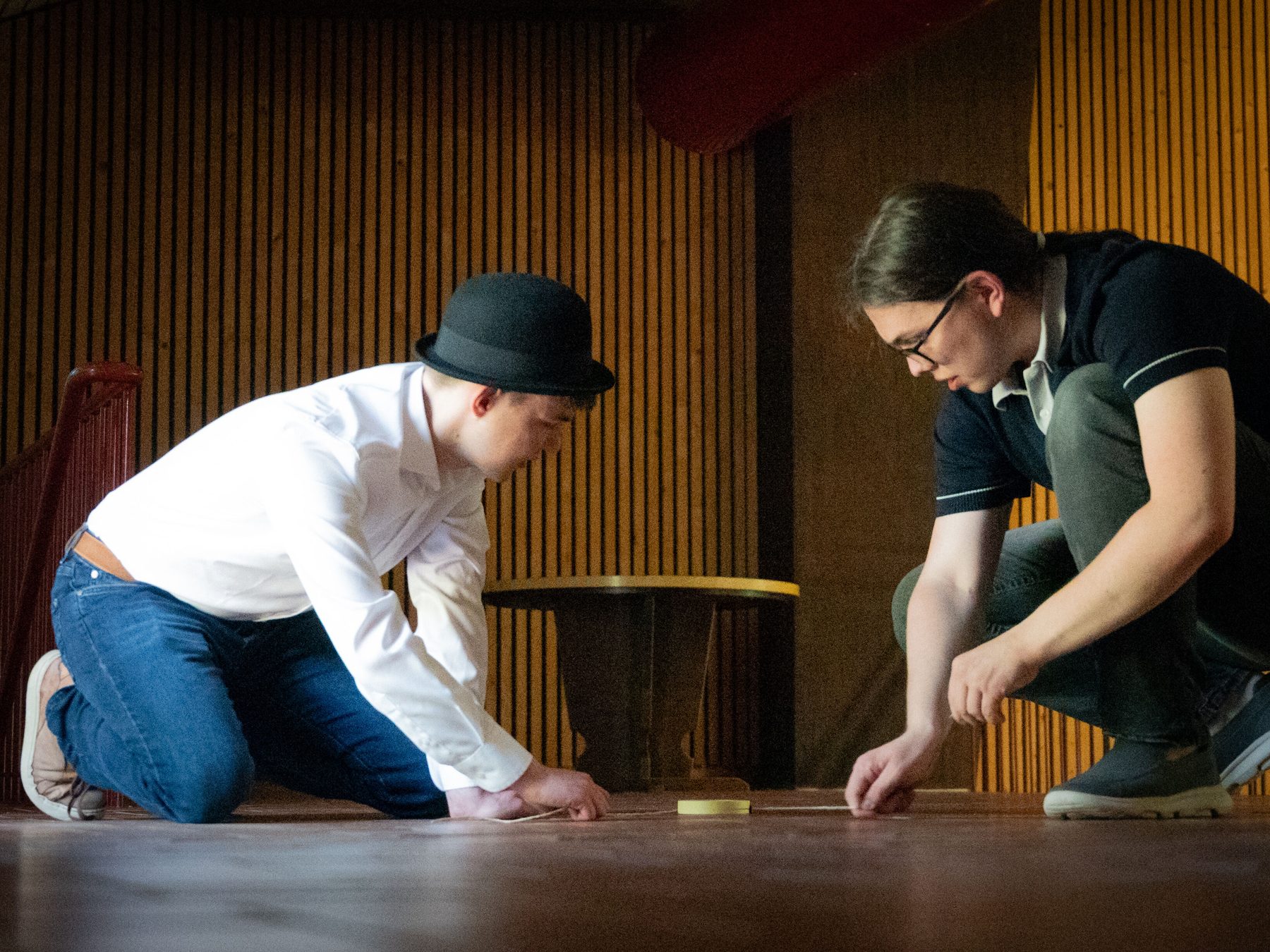
Plough
The Plough is the standard slingshot technique. Both players kneel facing roughly the same direction, with the Quibble positioned between and slightly behind them. Each player holds one end of the Slingshot, which is guided around the Quibble. Both players first pull their ends forward in parallel, causing the Quibble to accelerate. Then they rapidly pull their ends outward, sharply tightening the line to give an additional burst of forward speed. This technique benefits from a team composed of one left-handed and one right-handed player to allow for a more symmetrical execution.
Best for: Long distances with wide openings on smooth, level ground
Difficulty: Medium
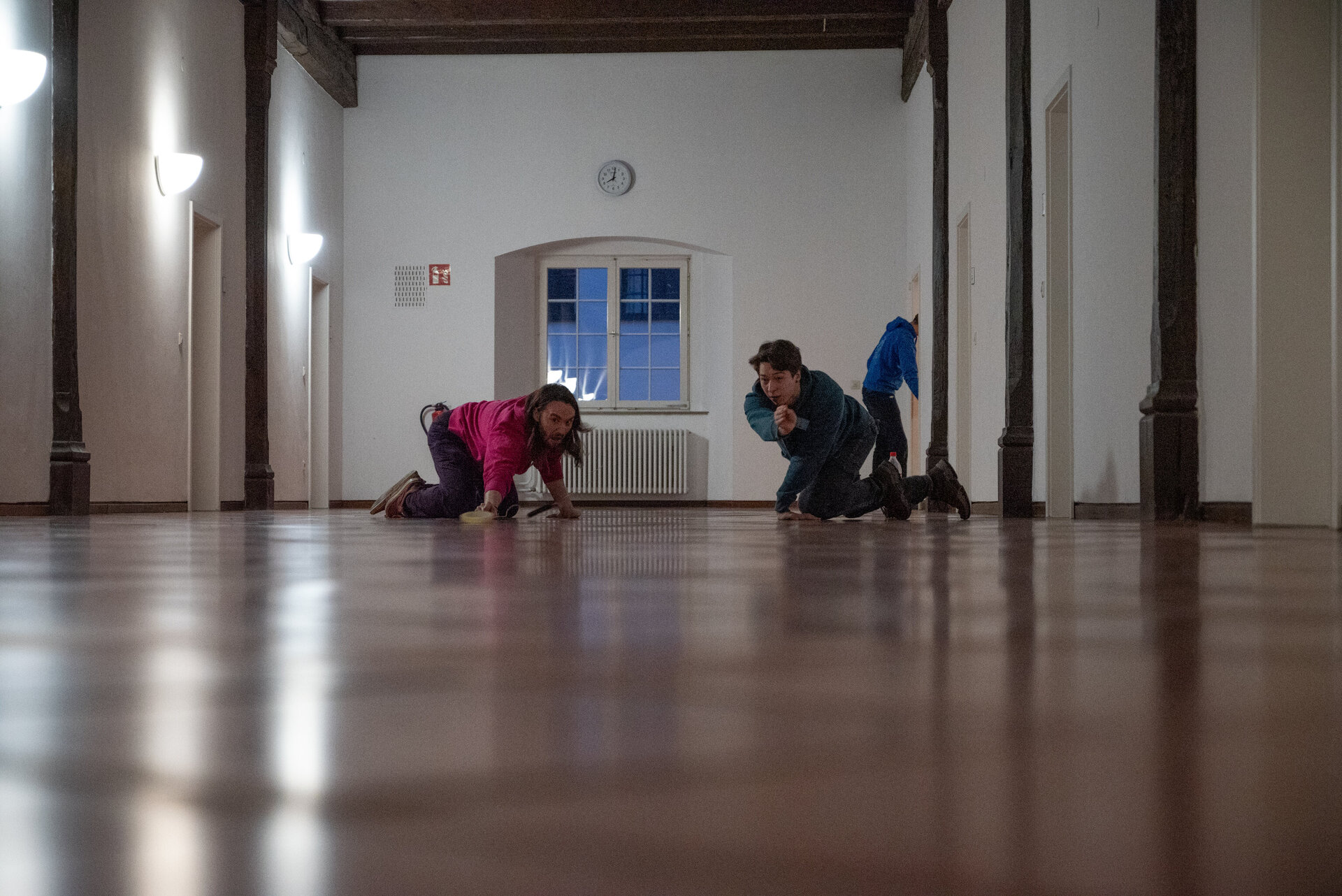
Hail Mary
The Hail Mary is a variant of the Plough where maximum velocity is the highest priority. Usually, control of direction suffers significantly.
Best for: Very long distances with wide openings on smooth, level ground
Difficulty: Hard
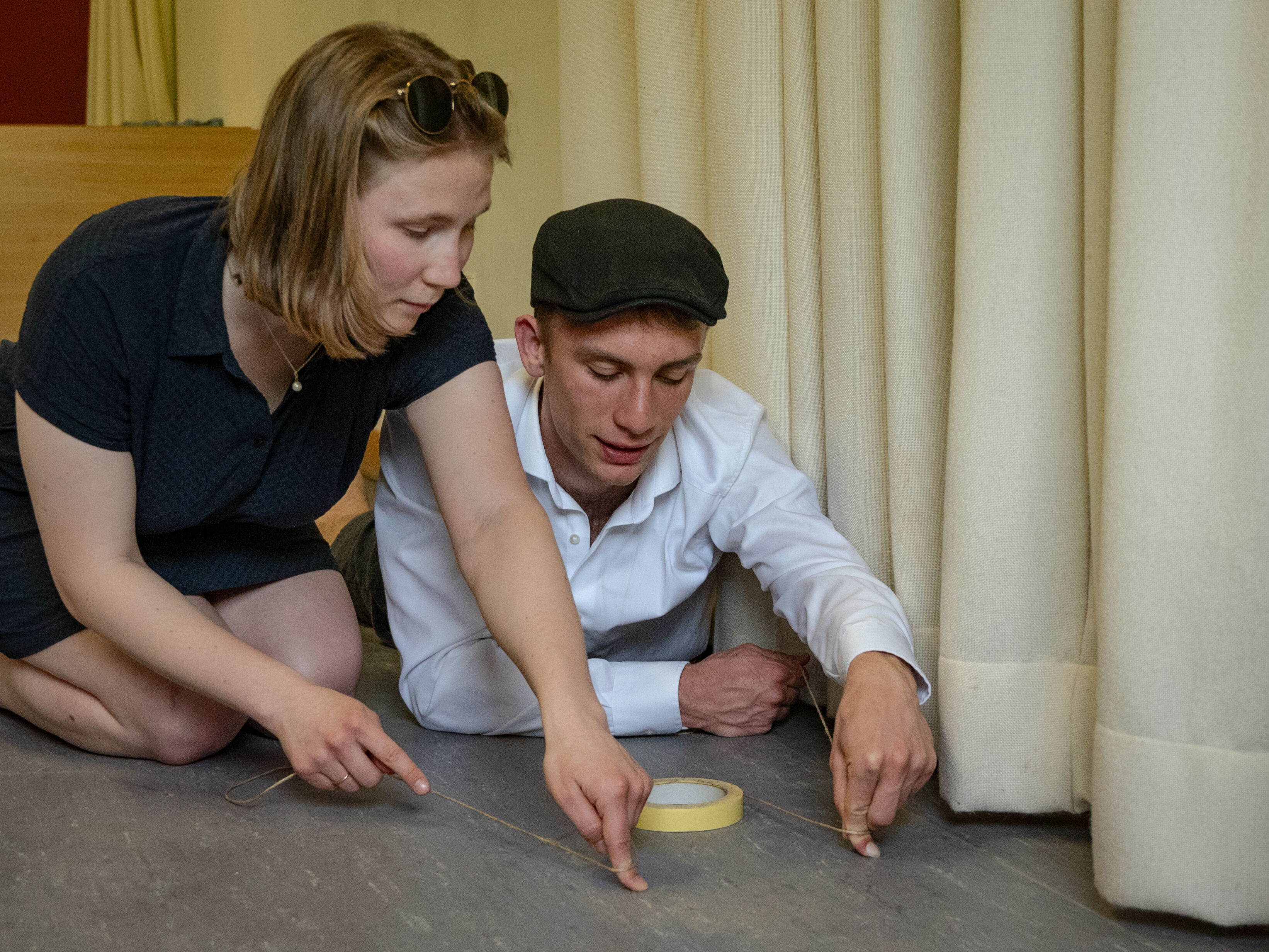
Sir Edmonton Save
The Sir Edmonton Save makes Slingshots close to walls possible. Since there is no space for a symmetric setup, one player is located behind the Quibble. Both players use a finger to redirect the string to be able to accelerate the Quibble while sitting behind it.
Best for: Medium distances on smooth, level ground in starting position adjacent to walls
Difficulty: Hard
"Technique is not about complexity. It is about applying the simplest solution with perfect execution."
- Napoleon Bonaparte, avid hobby crolfer