
The rich history of Crolf
Linguists estimate the name "Crolf" evolved from "Krolf" which itself originated in the Dutch and Polish word Król, meaning "King," reflecting the era when the sport was the exclusive preserve of monarchs and the papacy. A look at the history of Crolf reveals that this unusual game has far deeper roots than one might initially assume. As early as antiquity, an early form is said to have been played using improvised game balls made from rolls of gauze. Crolf ultimately gained prominence in the 19th and 20th centuries, particularly in England, where it was cultivated mainly among aristocratic circles. Today, Crolf enjoys widespread popularity across the globe.
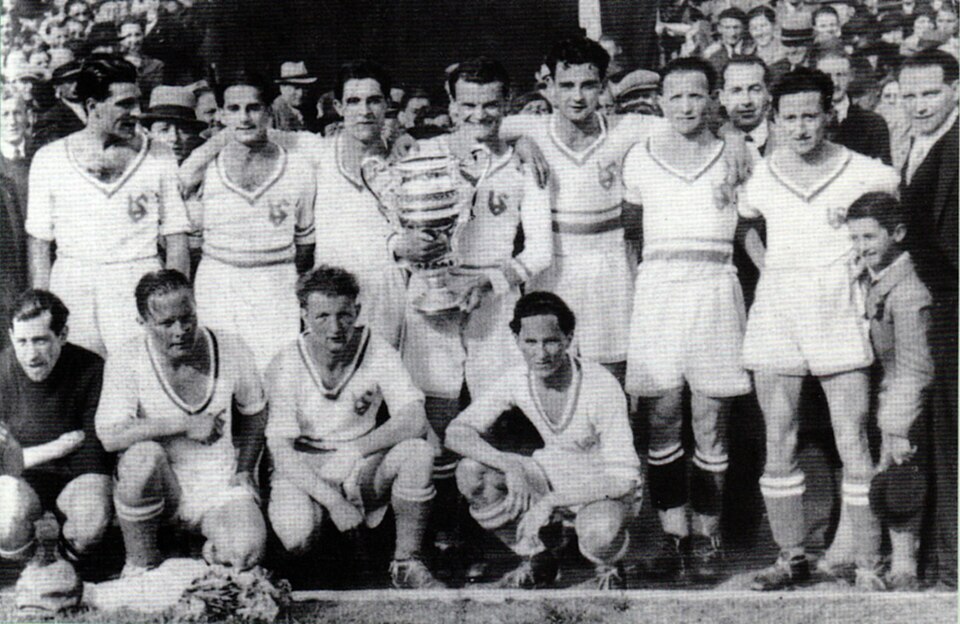
Timeline
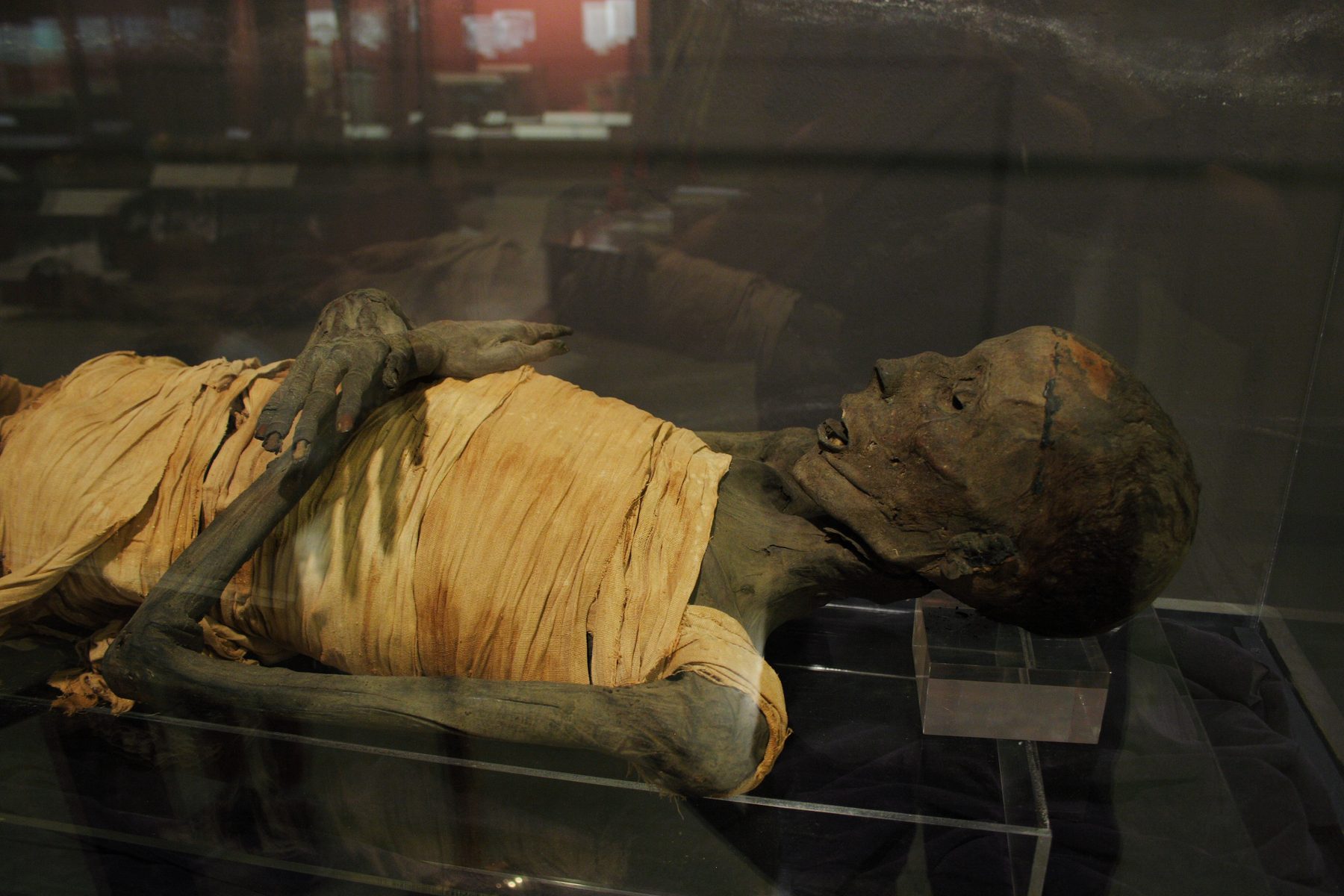
~3000 BC
Egypt – Game of Kings
Crolf can already be traced back to Ancient Egypt. Over several generations, pharaohs played with rolls of gauze. Particularly revered players were wrapped in their playing equipment after death.
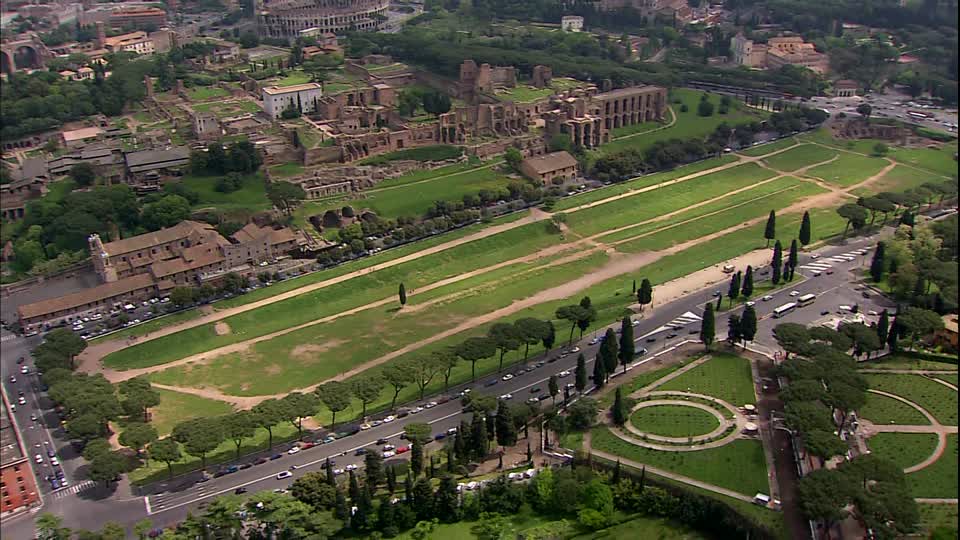
~100 AD
Roman Empire – Mass Sport Shapes Architecture
Crolf captivated the entire Roman Empire. The demand for long, level playing courses gave rise to the rectilinear street layout and structures such as the Circus Maximus. Aqueducts enabled straight strokes even in hilly regions. Even the Pantheon, with its central opening, bears resemblance to the Quibble.
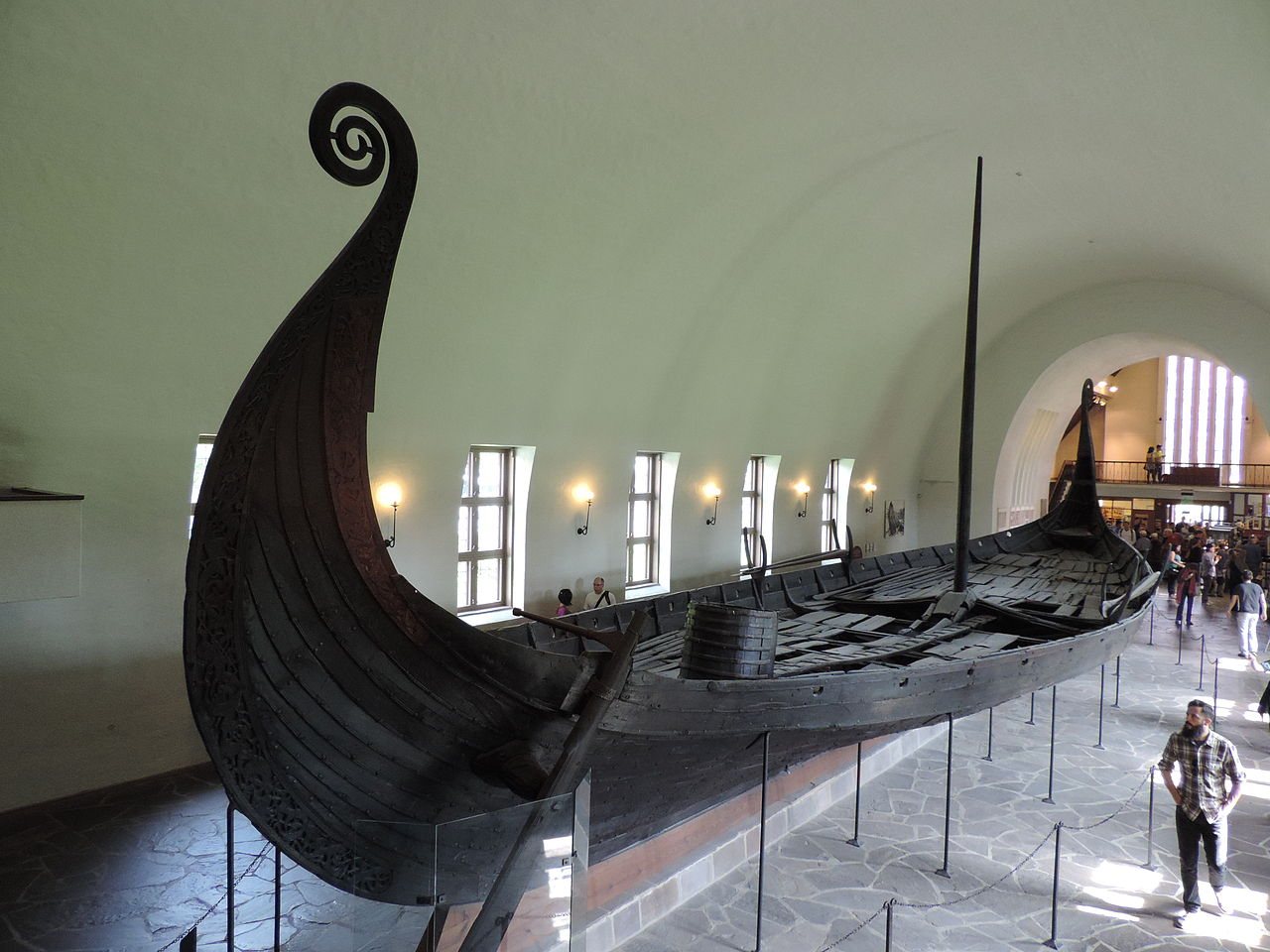
~800
Vikings – Faster, Higher, Further
Crolf profoundly influenced Viking thinking. Longhouses and longships were built to provide sufficient space for extended play sequences, thereby enabling voyages of discovery as far as America.
~1200
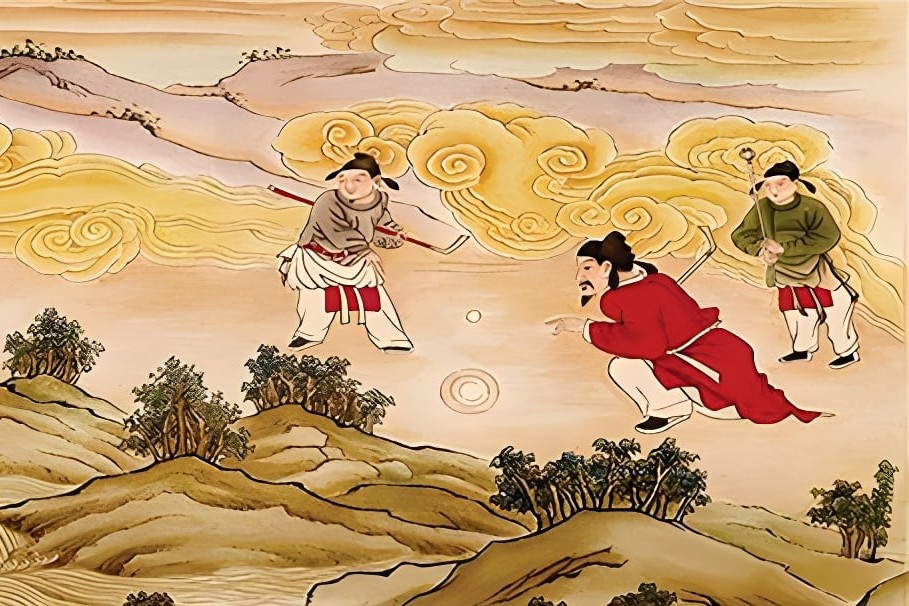
China – Philosophy of Rolling
Crolf also spread throughout China. The concept of Yin and Yang was inspired by the opposing forces of the game: precision versus power, control versus release.
1307
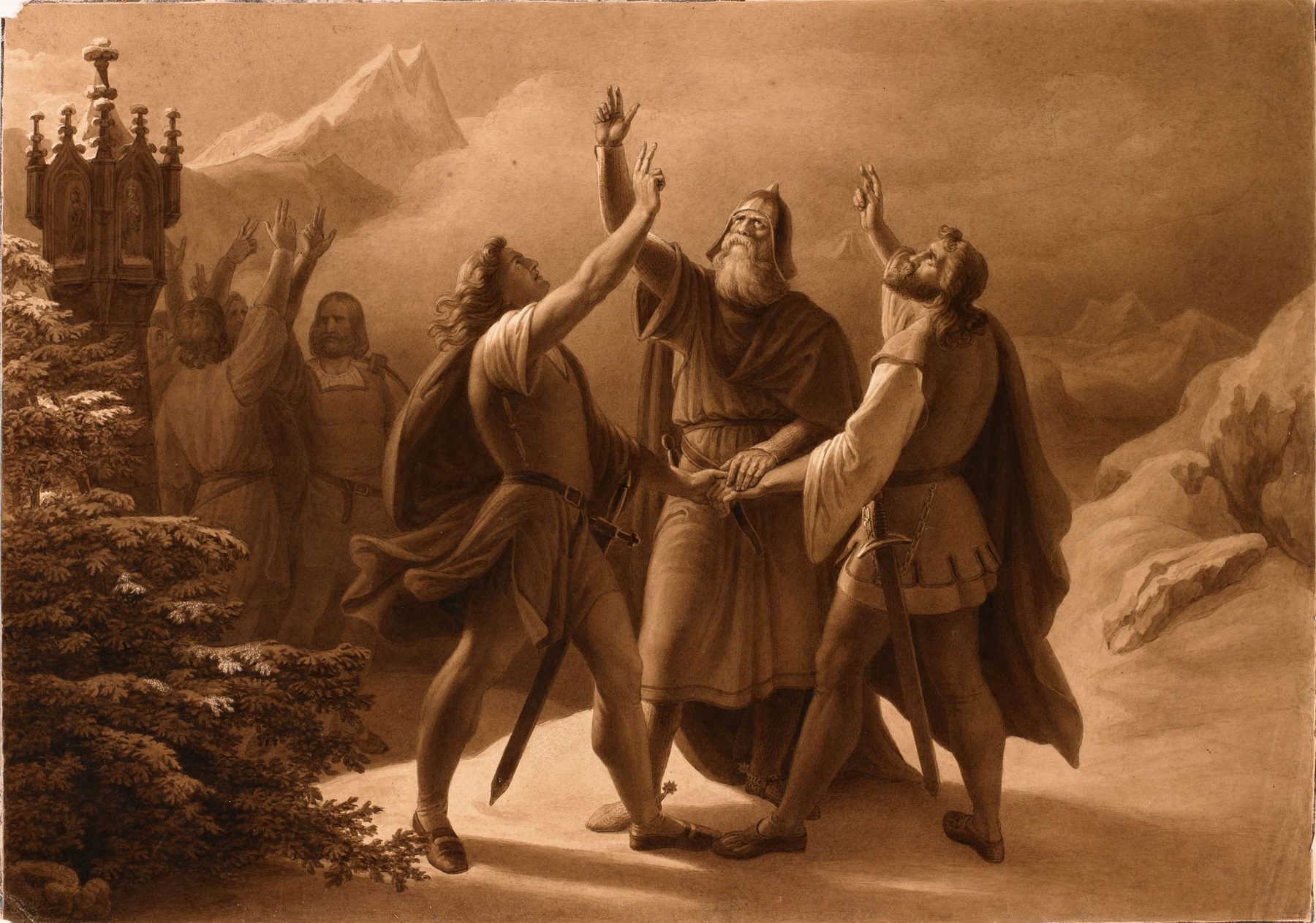
Switzerland – A Story to Tell
Wilhelm Tell famously used a Slingshot to shoot a Quibble off his son’s head. The story was later changed to a crossbow to hide the sport’s aristocratic exclusivity from the rising peasant classes.
~1300
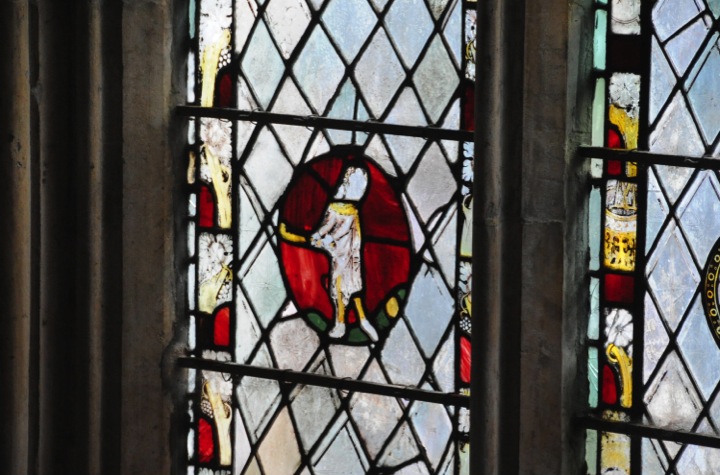
Britain – The Sacred Circles
Crolf remained the preserve of monks, who played it several times a day. Cloisters emerged as ideal circular courses. The tonsure served as a silent declaration of devotion to the sport, symbolizing the Quibble.
1618–1648
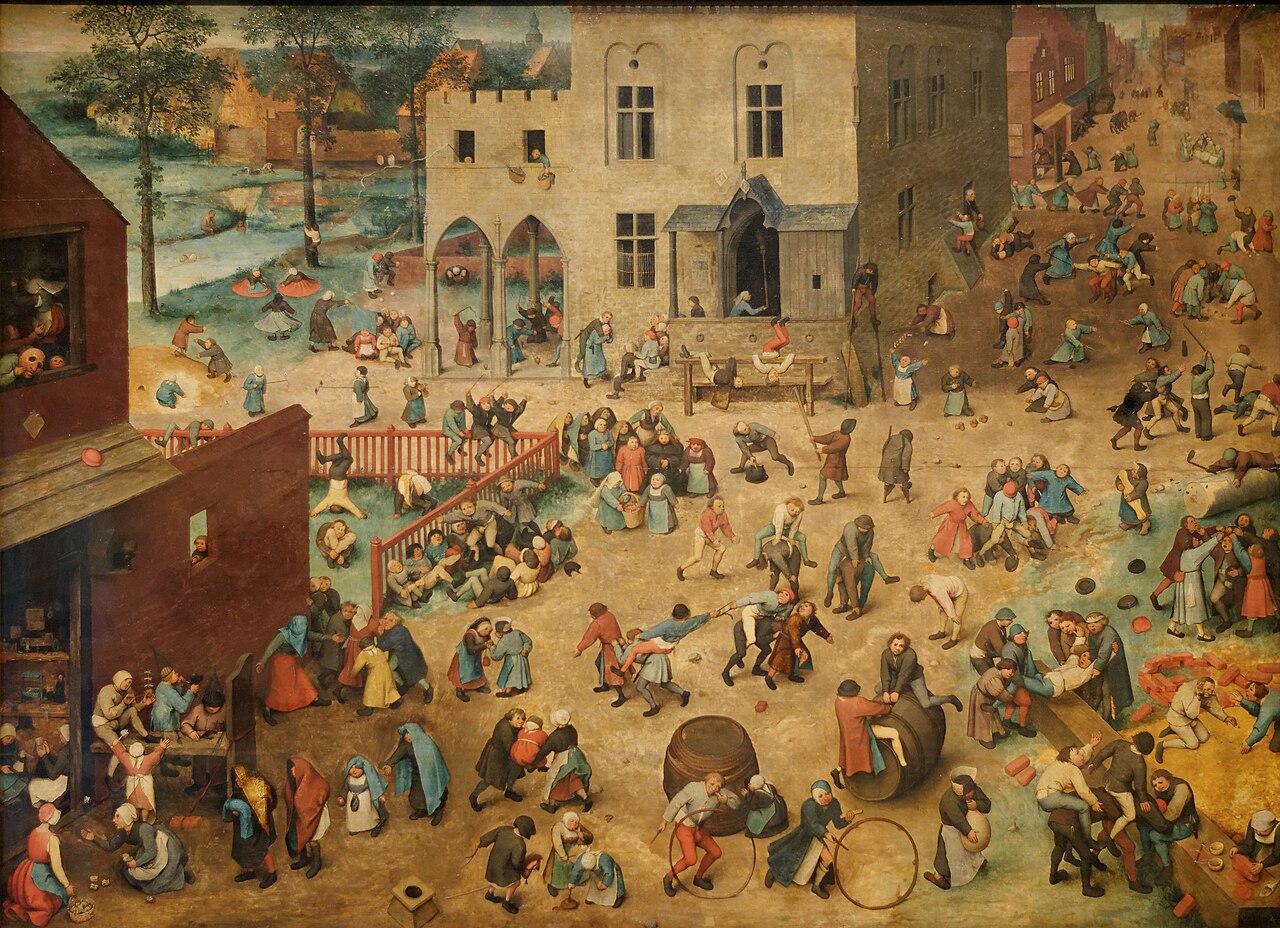
Central Europe – Power over Elegance
During the crises of the Thirty Years’ War, "Krolf" became an outlet for the population. A rougher playing style prevailed, leading to the development of the Slingshot: powerful, loud, and emotional.
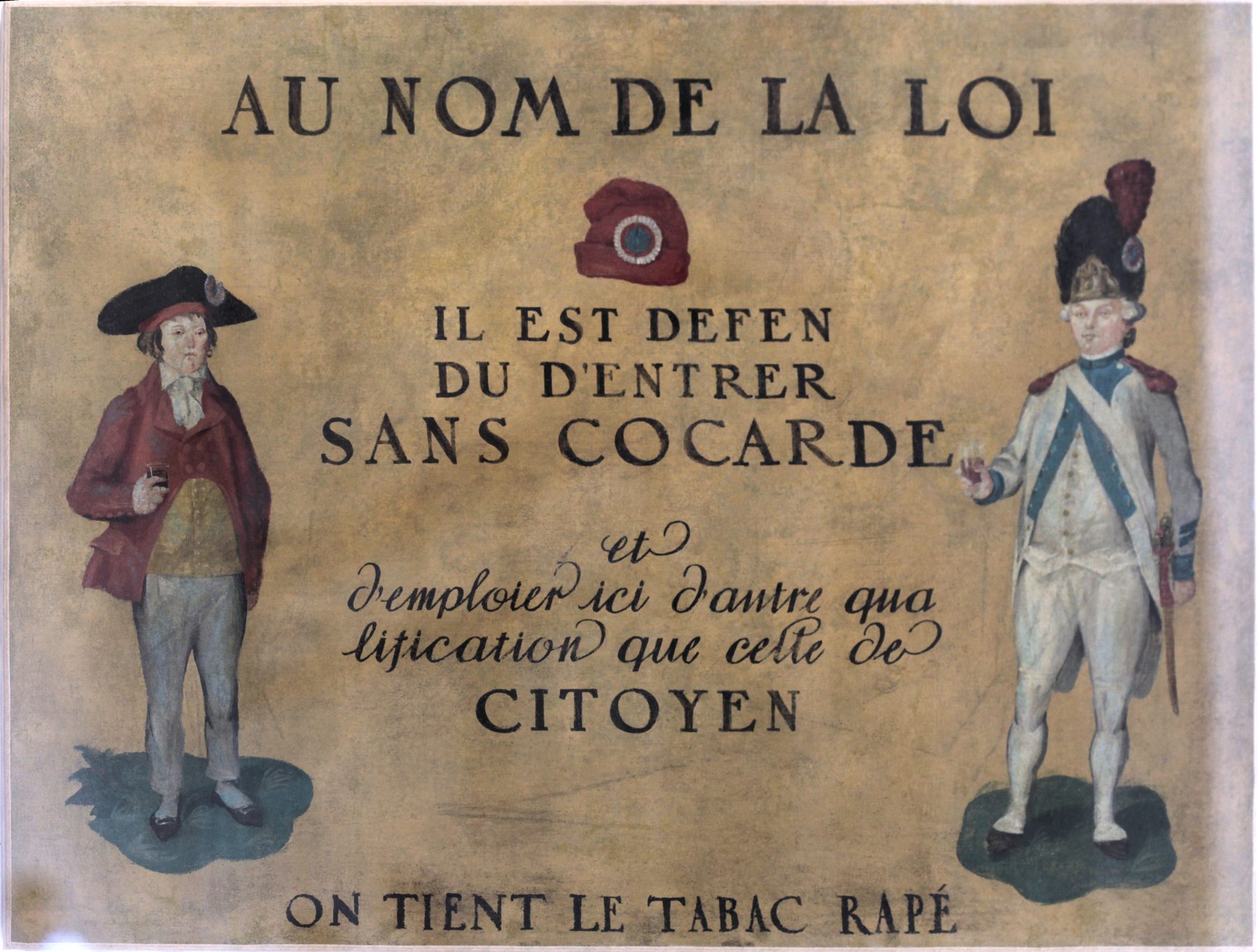
1789
French Revolution – Crolf for All
The exclusion of the population from royal Crolf courses at the Louvre and Versailles fueled public unrest. Crolf became a symbol of the lower classes. The cockade, modeled after the Quibble, stood for unity and equality.
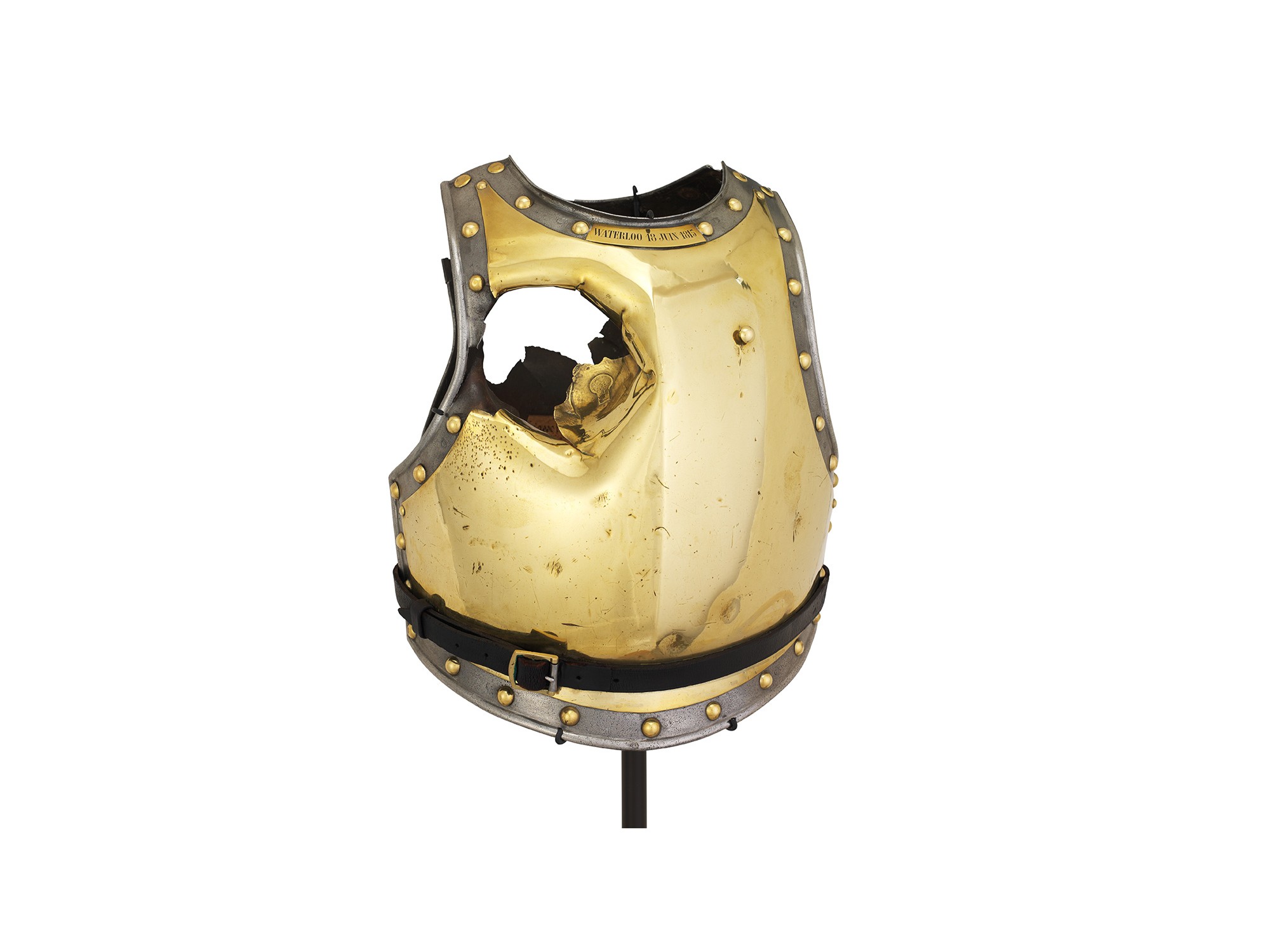
1815
Belgium – Death by Quibble
As Crolf spread across regions and social classes, the lack of unified standards increasingly raised concerns about fairness and safety. At a tournament in Waterloo, a player employed a ten-foot slingshot to launch the Quibble with unprecedented force. The projectile pierced the breastplate of a nearby competitor, killing him instantly. The incident became a turning point in early debates over standardized Crolf regulations. (Image source: ageofrevolution.org)
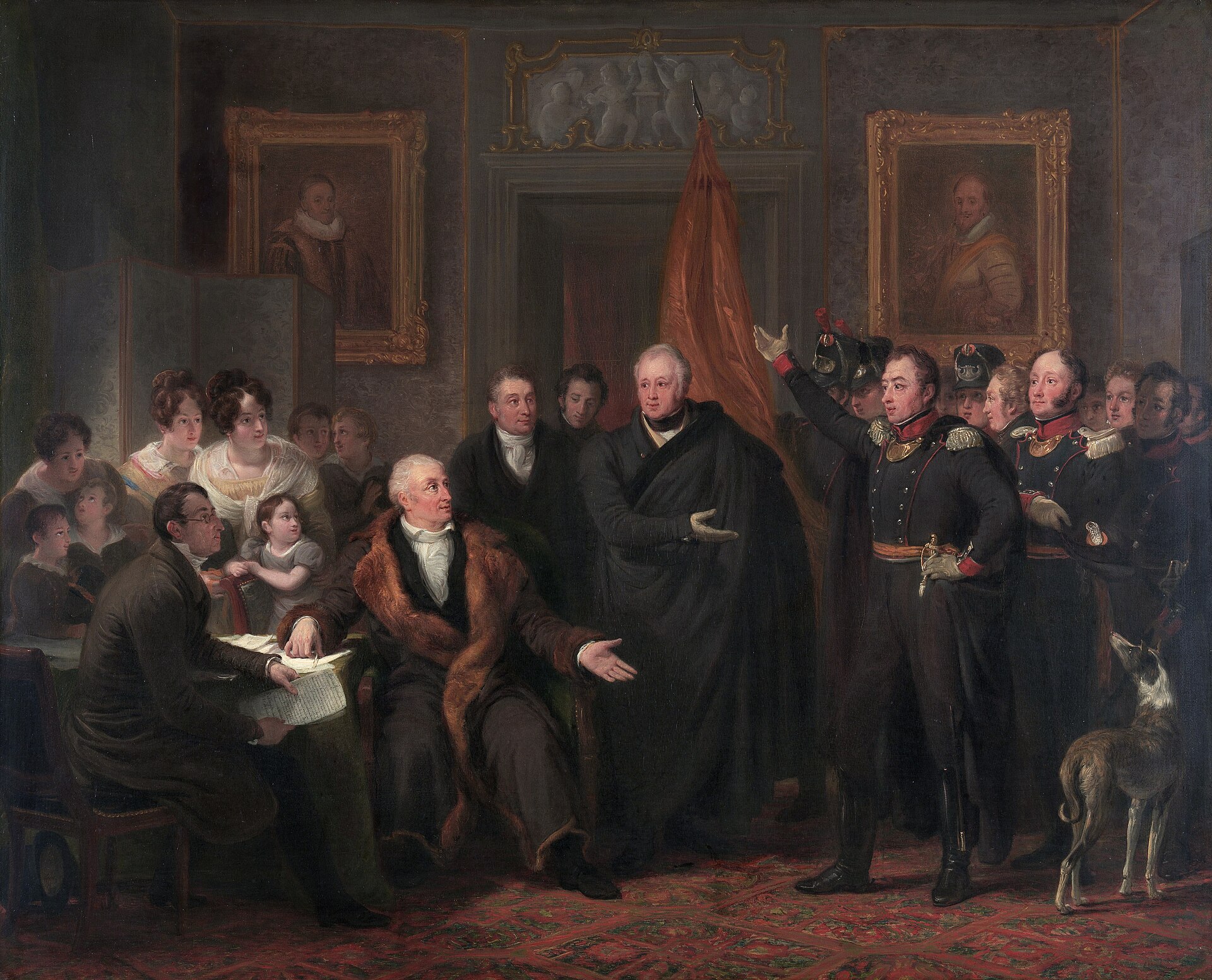
1852
England – Renaissance of Crolf
Crolf is reinvented by the English aristocracy. The era is responsible for most terms used today such as the Baroness Shackleton Spoon, the Bridgewater Broom and the polite "Players Beware!" warning to maintain British sporting decorum.
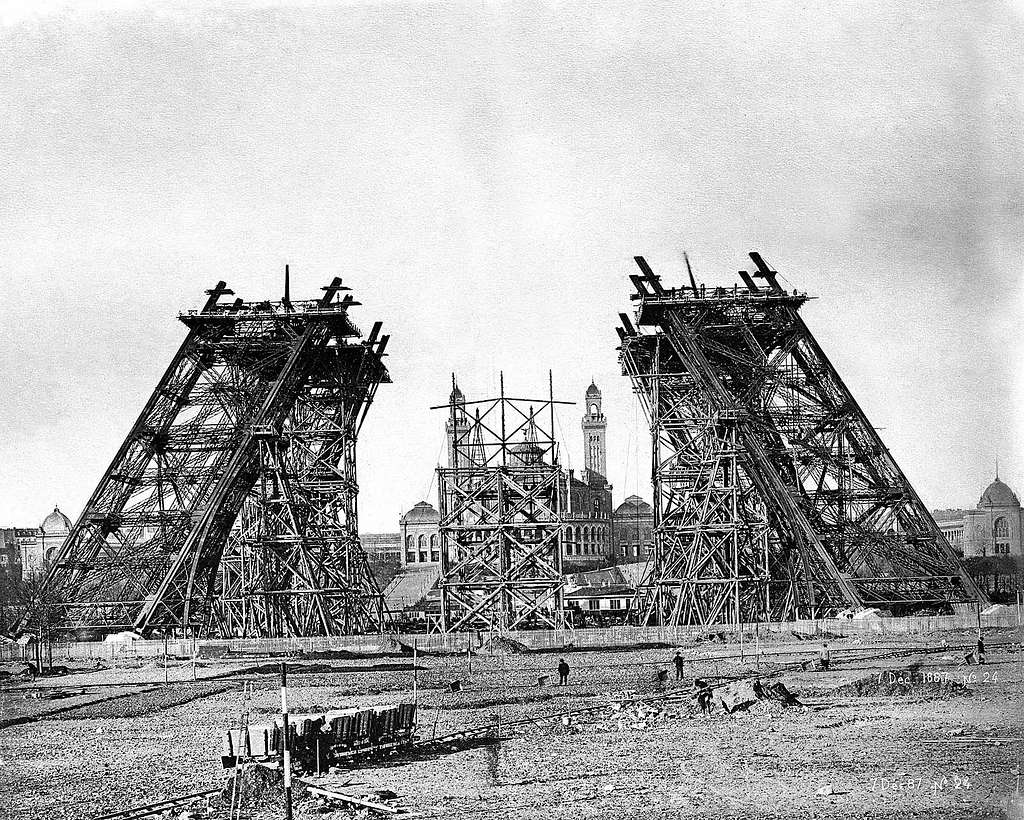
1889
France – The Eiffel Downhill
Only few know but the Eiffel Tower was actually constructed as a vertical Course by Gustave Eiffel, who designed the open ironwork to host the longest downhill Crolf event in history. To fund this endeavour, the world exhibition was a good opportunity.
1912
Atlantic – The darkest hour
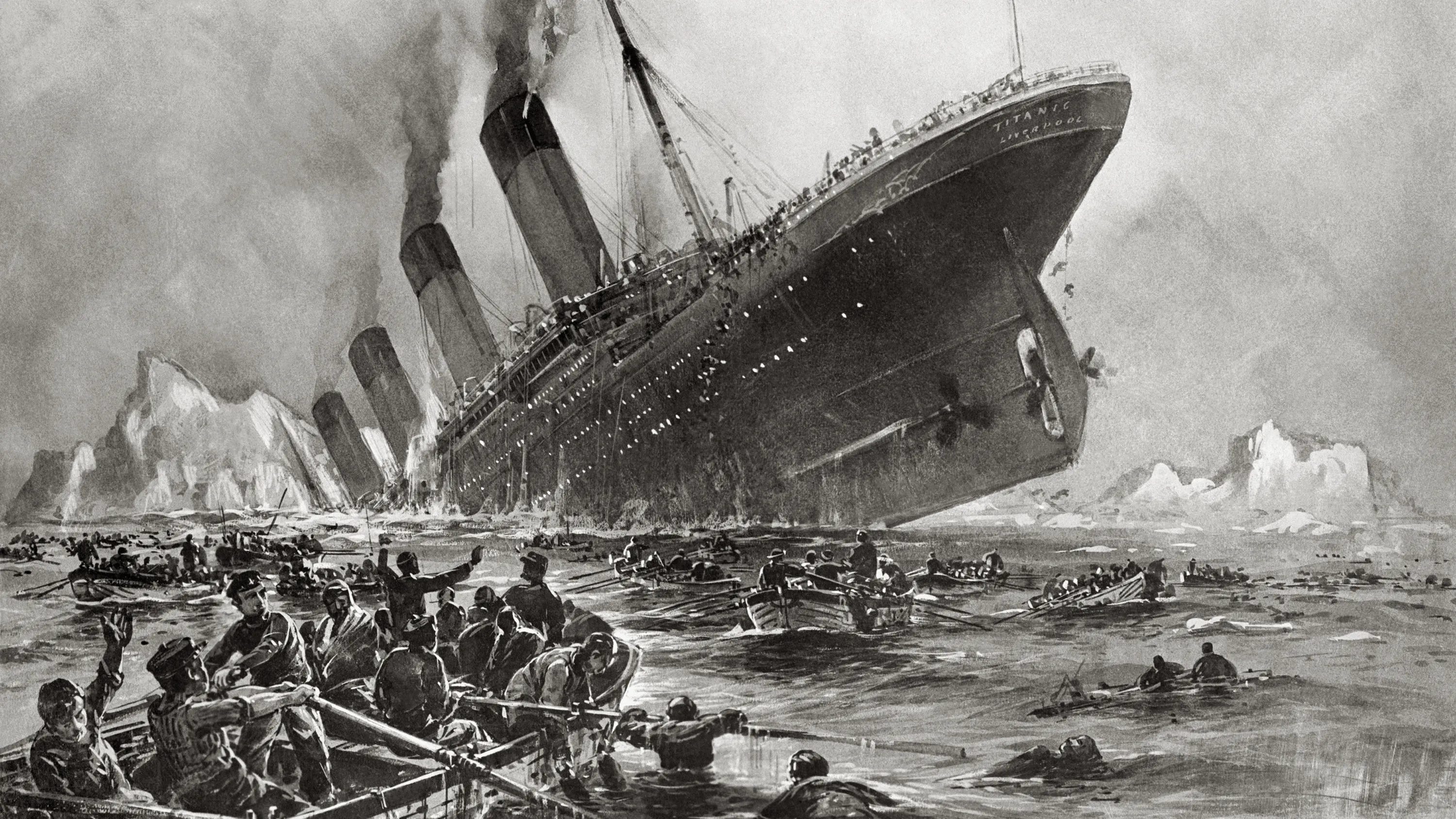
The Titanic’s four massive funnels were designed as the ultimate high-elevation Quivers for on-deck amusement, but the ship sank after an overpowered Slingshot stroke on-course damaged the hull. The disaster was covered up by the "iceberg" narrative to protect the sport from a global ban.
1925
USA – The Quibble we know
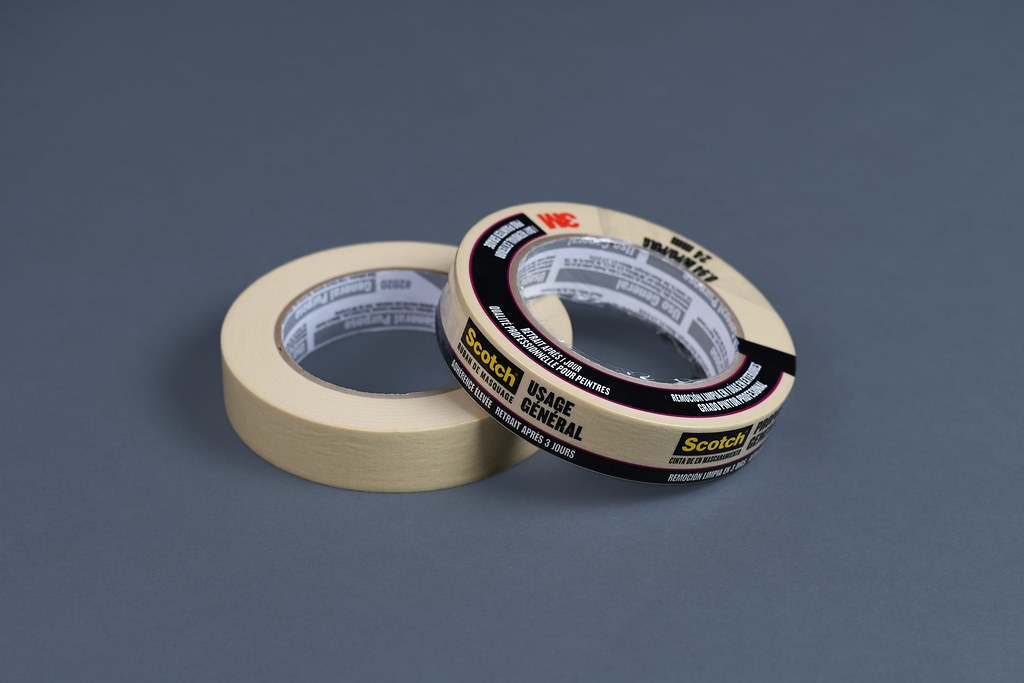
Richard Drew invented crepe tape to standardize the Quibble for international competition. He named it "crepe" to reflect its origin in Crolf. Nevertheless the material was quickly adopted by painters and handymen for its secondary uses.
1935
USA – The Nylon Rejection
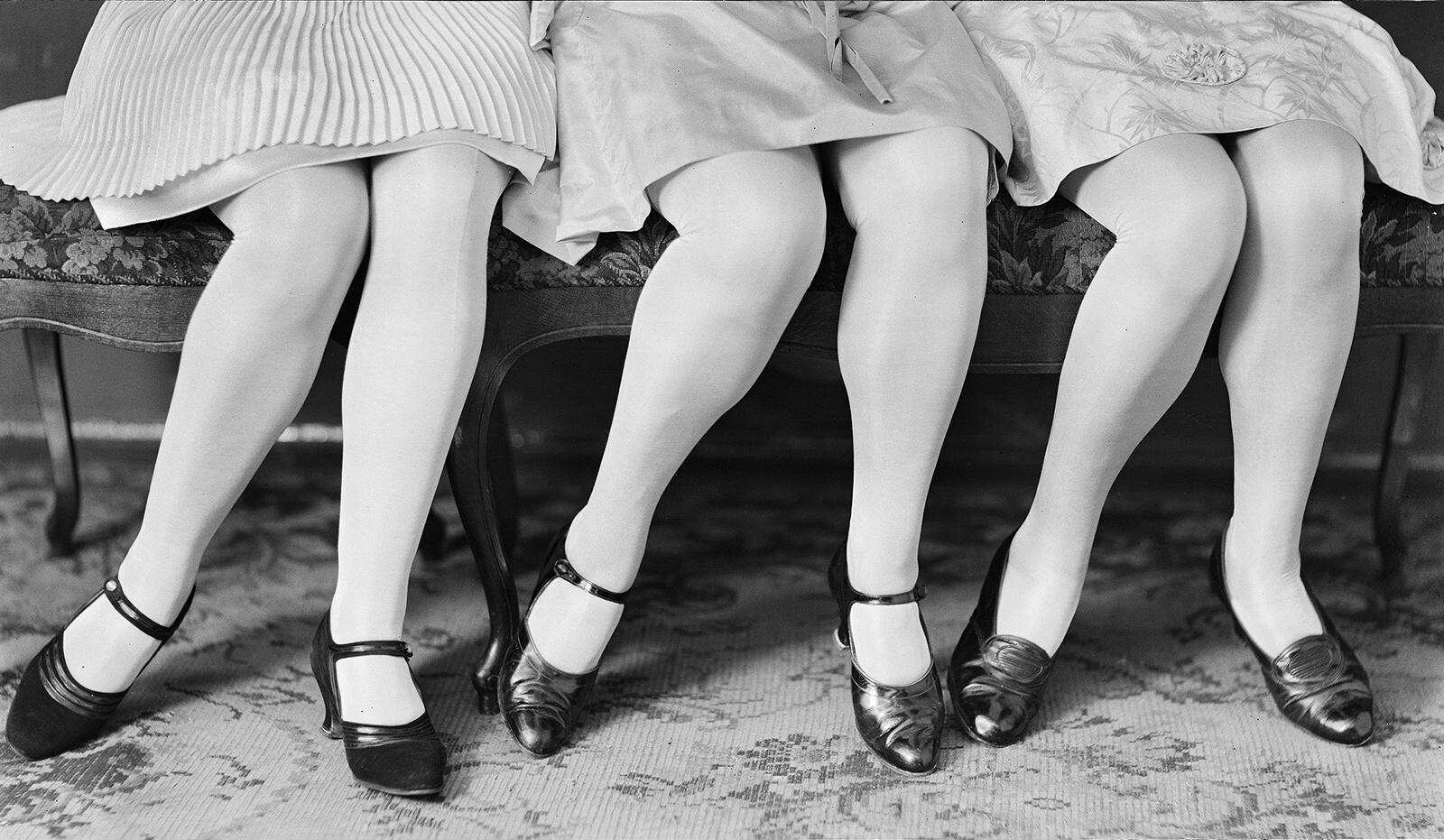
While Nylon was synthesized to create indestructible Slingshot strings, traditionalists frowned upon the material’s lack of "feel," leading to a social boycott that relegated the fiber to the hosiery industry instead.

1961
USA – The Gravitational Slingshot
While playing a high-velocity match, Michael Minovitch realized the mechanics of the Slingshot could be applied to accelerate spacecrafts beyond their initial speed, a discovery essential for the Apollo 13 mission.

1970
Switzerland – The CERN Championships
The massive circular tunnel in Geneva was originally built as the Crolf Endurance Ring Network (CERN) to host the 48-hour Multi-Lap Course Championships. After the event, the high-speed ring was repurposed as the Large Hadron Collider for particle research.
"With every roll of the Quibble, we honor the tradition of those who came before us, while writing our own chapter in the great history of Crolf."
– Dr. Maria Kingsley, ICS President, 2024Legendary Players
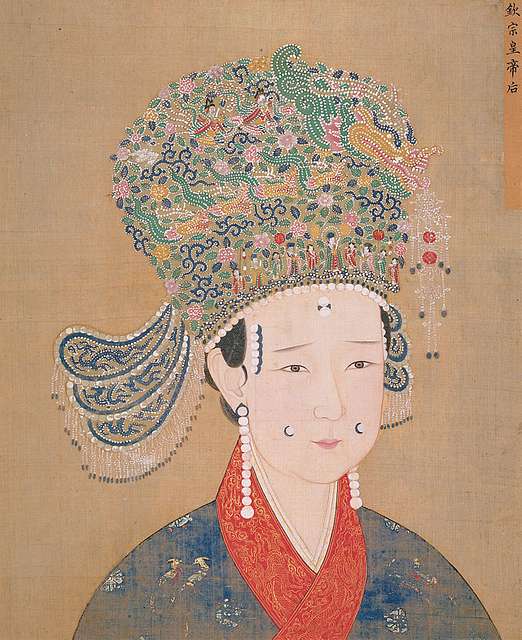
Li Wenjing (1083–1146)
Song dynasty scholar-official and master of early Crolf variants. Contemporary records praise his ability to read terrain and momentum, laying foundational principles still taught in strategic play.
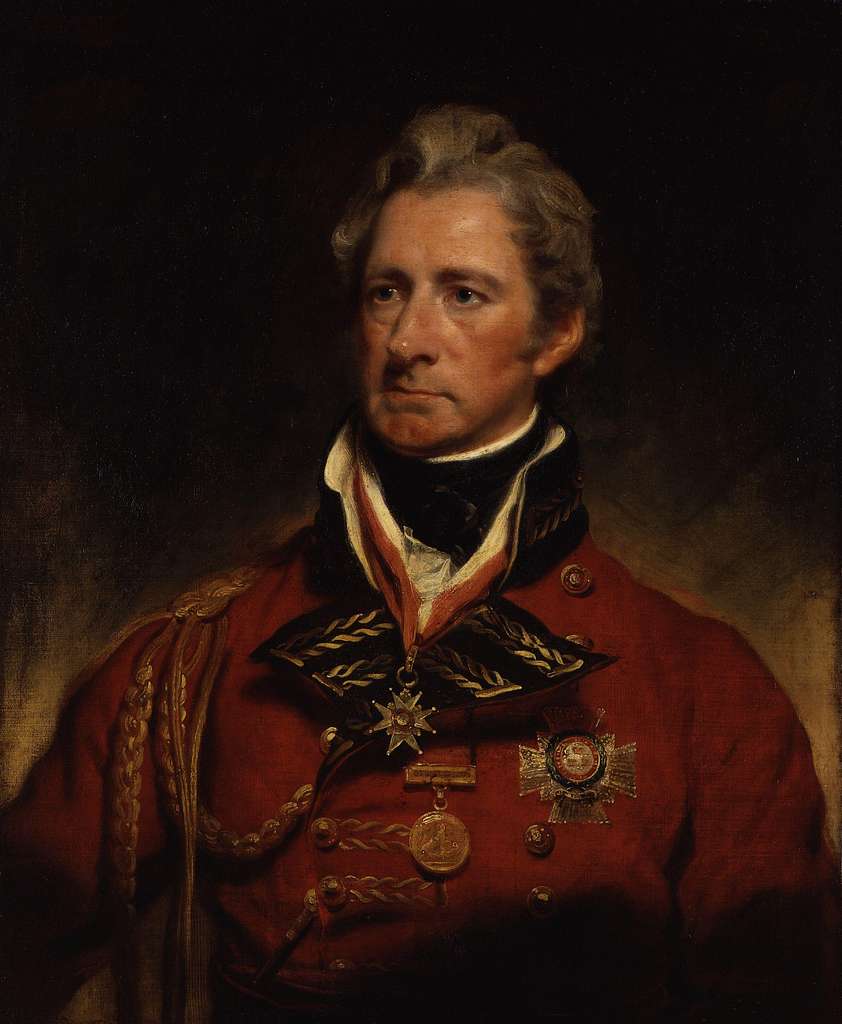
Nic Hawthorne (1811–1879)
English gentleman and early Crolf tactician. Hawthorne standardized competitive outdoor play on estate grounds and was famed for his controlled long-rolls under adverse weather conditions.
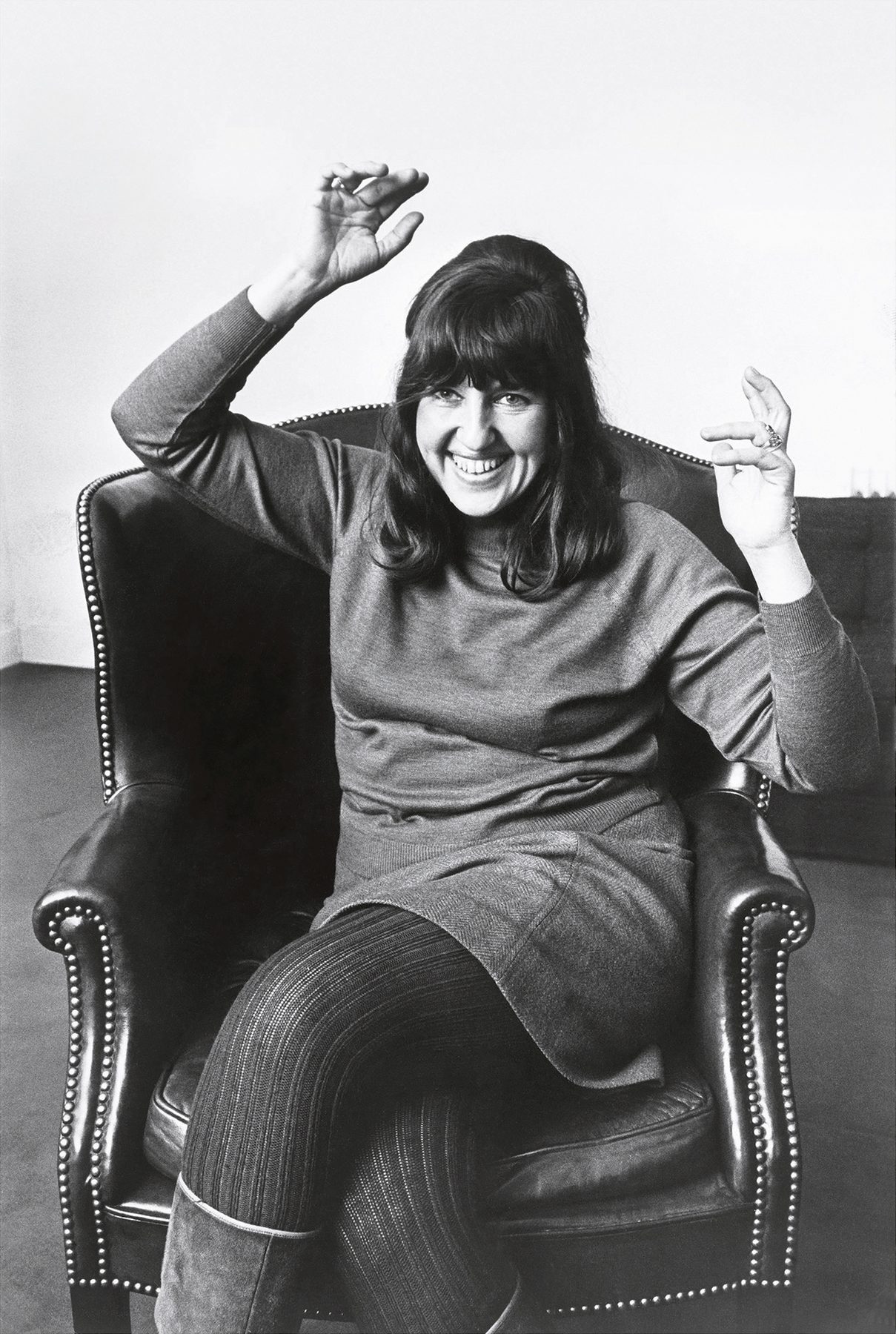
Eleanor McCarthy (1924–1998)
American Crolf pioneer who dominated post-war competition in the United States. Known for her aggressive straight-line strategy, she helped establish modern tournament formats and televised matches.
Crolf Around the World
Today, Crolf is played on every continent—from the great halls of European universities to the streets of Tokyo, from American recreation centers to outdoor courses in the Australian Outback. Each region has developed its own traditions and variations while honoring the core principles.
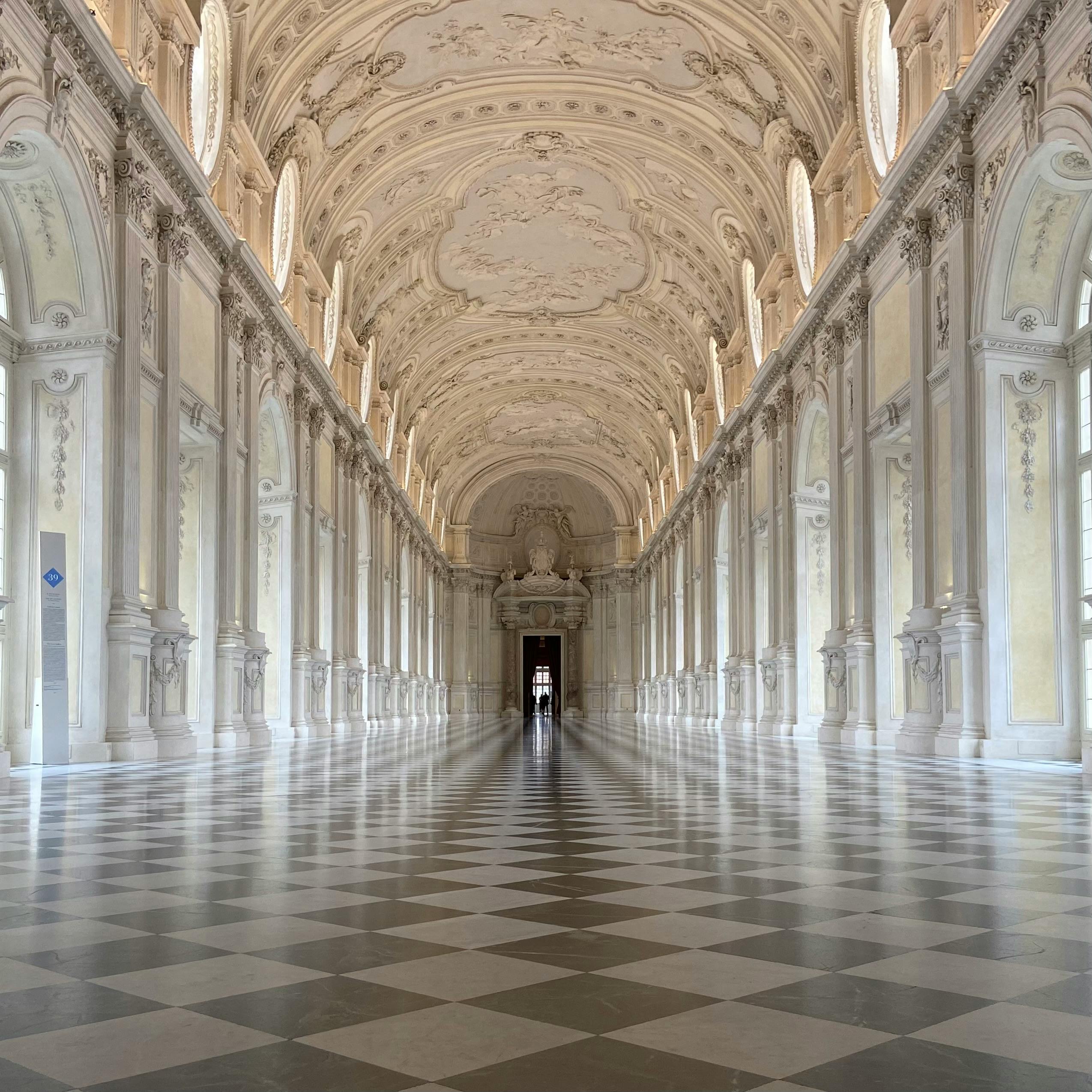
Europe
The heartland of Crolf, with the strongest traditions in the UK, Germany, and Sweden. European tournaments attract the world’s finest players.

Asia
China leads Crolf development in Asia and is renowned for technical innovation and precision play. South Korea and Japan have rapidly growing associations.
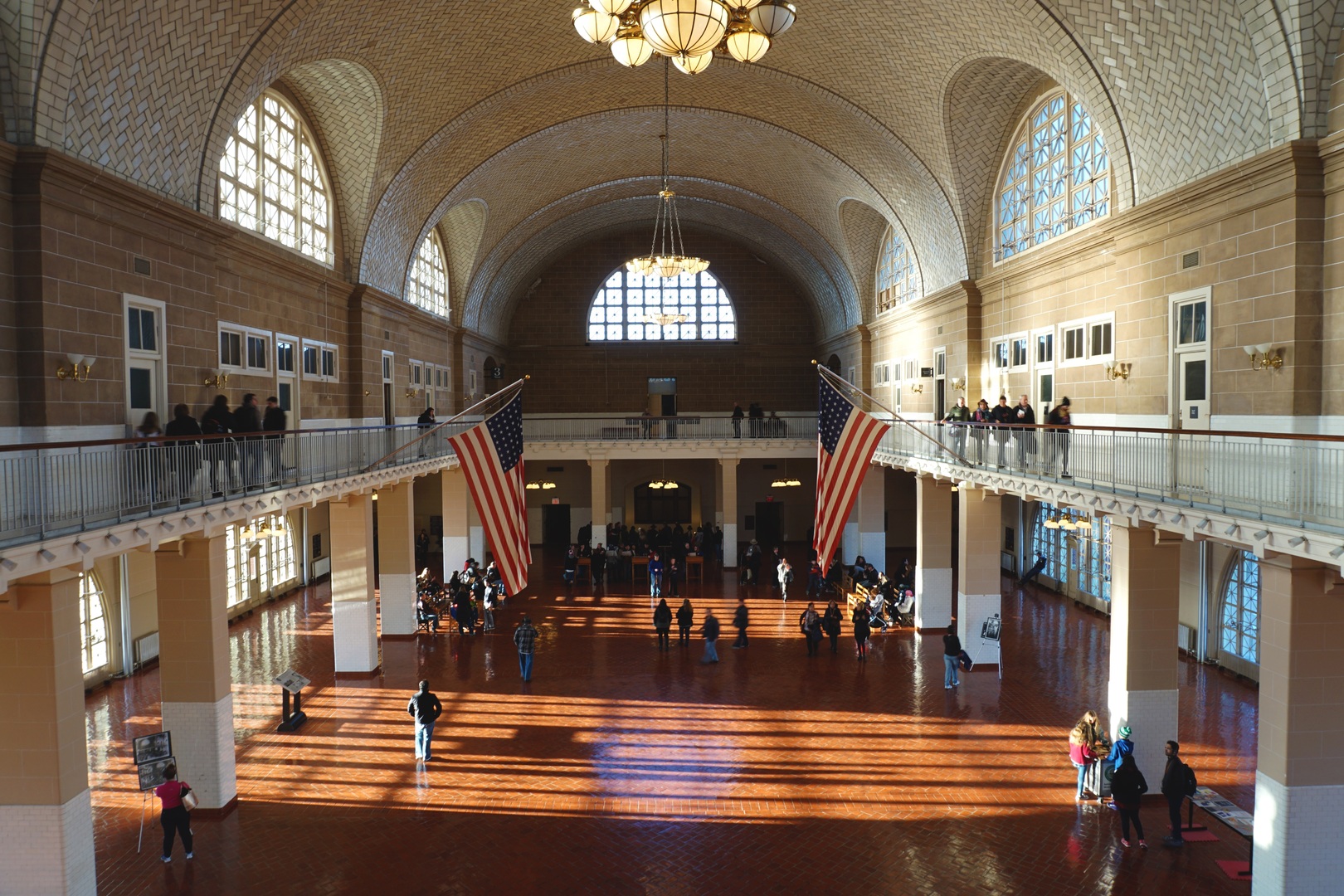
North America
The United States and Canada drive North American Crolf through strong collegiate programs, structured leagues, and a fast-growing competitive circuit.

Africa
South Africa anchors the African Crolf scene, with a strong emphasis on outdoor play and endurance formats over long distances. Emerging clubs across the continent are steadily expanding the sport.

Oceania
Australia and New Zealand are known for their relaxed Crolf culture. Scenic courses and innovative game variations define the region.

South America
Brazil and Argentina drive South American Crolf, blending technical skill with expressive, fast-paced play. Regional championships draw growing international attention.